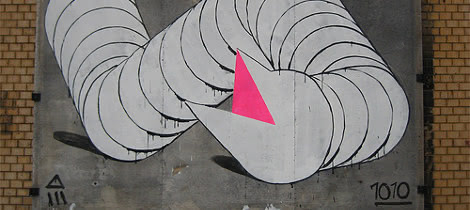
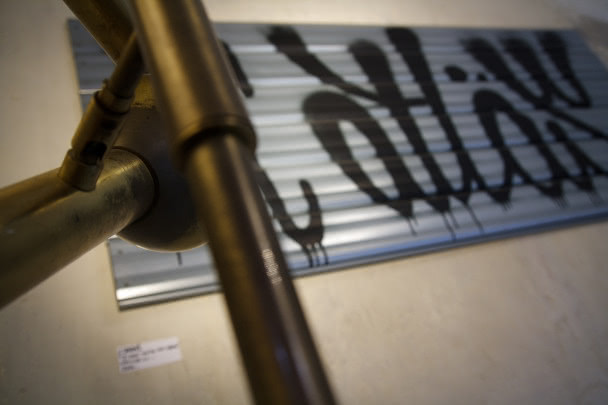
Abstract approaches to urban art prioritize pure visual elements – color relationships, geometric forms, gestural marks, and textural effects – over recognizable imagery, creating powerful emotional experiences through non-representational artistic expression. This artistic direction allows street artists to explore formal concerns similar to gallery-based abstract painting while maintaining the immediacy and accessibility essential to public art. Abstract urban works often emphasize the materiality of spray paint, exploring how different application techniques can create varied textures, color interactions, and spatial effects on wall surfaces. The approach liberates artists from narrative or political messaging requirements, enabling pure aesthetic exploration that can transform urban spaces into contemplative environments. Geometric abstraction brings mathematical precision to chaotic urban environments, while gestural abstraction introduces expressive human energy into structured architectural spaces. This artistic freedom attracts artists seeking to expand street art beyond traditional graffiti writing and figurative imagery toward more experimental visual territories. Abstract urban art demonstrates how public art can function as aesthetic experience rather than social commentary, offering communities opportunities for visual contemplation and artistic appreciation within everyday urban encounters.
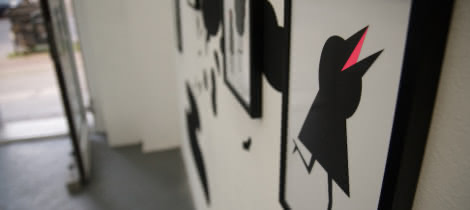
Minimalistic Paper Art - 1010
Last Friday, the slightly different street art exhibition by urban artist 1010 opened in Berlin and presents really interesting, strange and minimalistic paper artworks. For about 15 years, 1010 is an active part in Germany’s street art scene. Therefore, the Hamburg-based artist is one of the last still active street art veterans. Although the media he uses ranges from wall paint to paste-ups and paper cuts, you can find similar elements in each of his artworks. ...